As a chef committed to sustainability, I highly value that the amberjack comes from responsible hatcheries. This allows me to offer quality without sacrificing the environment.
Seriola Dumerili Amberjack
Discover this magnificent species and its culinary quality
Meet the amberjack
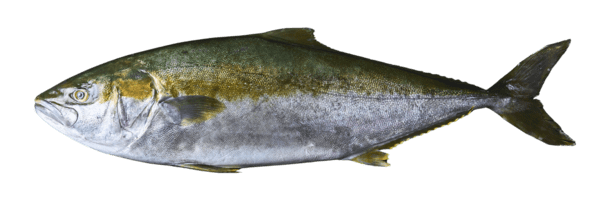
The Seriola dumerili, a species native to the Mediterranean Sea and commercially known as Kampachi, is one of the most highly valued species in gastronomy due to the quality of its meat, its firm texture, and its culinary versatility. In premium cuisine, it is used in raw preparations as well as in haute cuisine and contemporary Japanese dishes.
Although it is often compared to Japanese Hamachi and Hiramasa, Seriola dumerili belongs to a different species, with its own characteristics and a distinct gastronomic profile.
Thanks to land-based aquaculture and advanced R&D technologies, Aquanoble distributes a consistent, stable product designed specifically for premium catering and HORECA groups.
Advantages of Aquanoble amberjack
The quality of fish depends not only on its species but also on the farming method. With Aquanoble's amberjack, produced by state-of-the-art aquaculture systems, we guarantee a fresh, healthy, and sustainable product.
Nutritional and health benefits
Amberjack is an excellent source of high biological value proteins, in addition to containing a significant amount of omega-3 fatty acids, essential for the heart and brain. It also provides B-group vitamins, especially B12, and minerals such as selenium and phosphorus.
High culinary value
Its firm yet juicy texture allows for multiple cooking methods: grilled, baked, raw in sashimi or tataki, marinated, or even in ceviches. Its flavor is delicate, with a buttery touch that makes it ideal for both simple preparations and gourmet dishes.
Versatility and sustainability
In addition to its gastronomic value, Aquanoble’s amberjack stands out for its sustainable production. Thanks to aquaculture systems, we obtain a fish free of parasites, microplasma, antibiotics, and hormones. In this way, we reduce pressure on wild species.
Amberjack farming through sustainable aquaculture systems
Modern aquaculture allows for the farming of fish such as Seriola dumerili in optimal conditions that simulate their natural habitat. These controlled systems ensure that the fish develops free of antibiotics, with a balanced diet that respects the marine environment.
Advanced technology is used for amberjack farming to control all aspects of growth. This not only guarantees superior quality but also complies with strict European standards for sustainability and animal welfare.
Types of amberjack
Although amberjack is commonly referred to as a single species, there are some variants depending on its origin and production method. There is also common doubt as to whether amberjack is an oily or white fish. Technically, it is considered an oily fish due to its healthy fat content (omega-3), although its meat may appear lighter than that of other oily fish such as tuna.
Kampachi (Seriola dumerili)
A native Mediterranean species developed for premium dining, valued for its balanced texture, fat content, and pure flavor. Produced using land-based RAS technology, Aquanoble distributes one of the most innovative offerings in new European premium aquaculture.
Japanese Hiramasa
Highly prized in Japanese cuisine for its firm flesh and clean flavor. It is particularly outstanding in sushi and sashimi preparations.
Japanese Hamachi
A traditional reference in Japanese gastronomy, recognized for its unctuous texture and intense flavor. It is one of the most widely used fish in contemporary Japanese cuisine.
Lalandi
A consolidated species in international aquaculture due to its versatility and presence in restaurants. Widely used in international gastronomic markets and specialized distribution.